


Philosophy
Our philosophy is about accompanying nature with minimal intervention rather than forceful production.
In an age where people focus on doing, we focus on waiting.
As a result, we are custodians whose role is to preserve the integrity of an extraordinary place and to share its natural expressions through each bottle, allowing others to experience a small part of what has drawn our family back here, generation after generation.
The Terroir
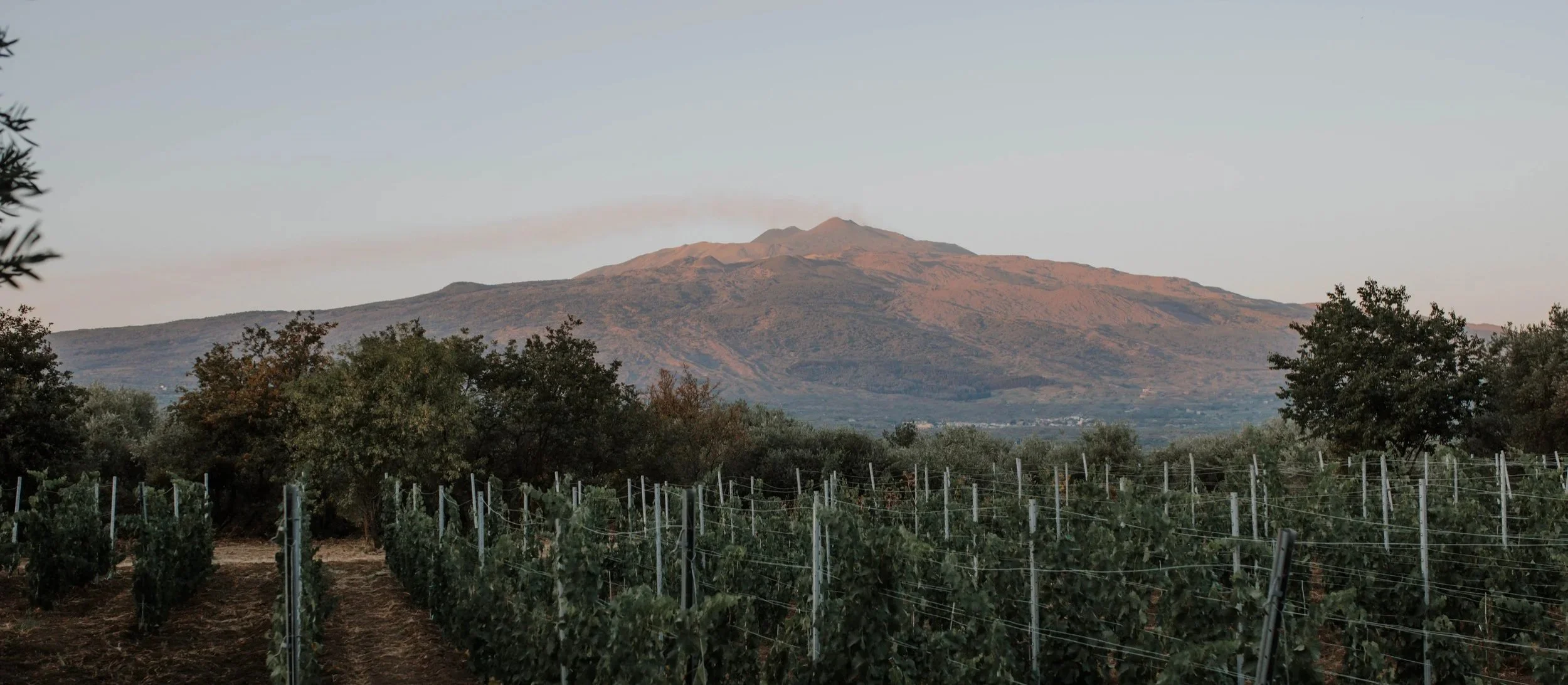
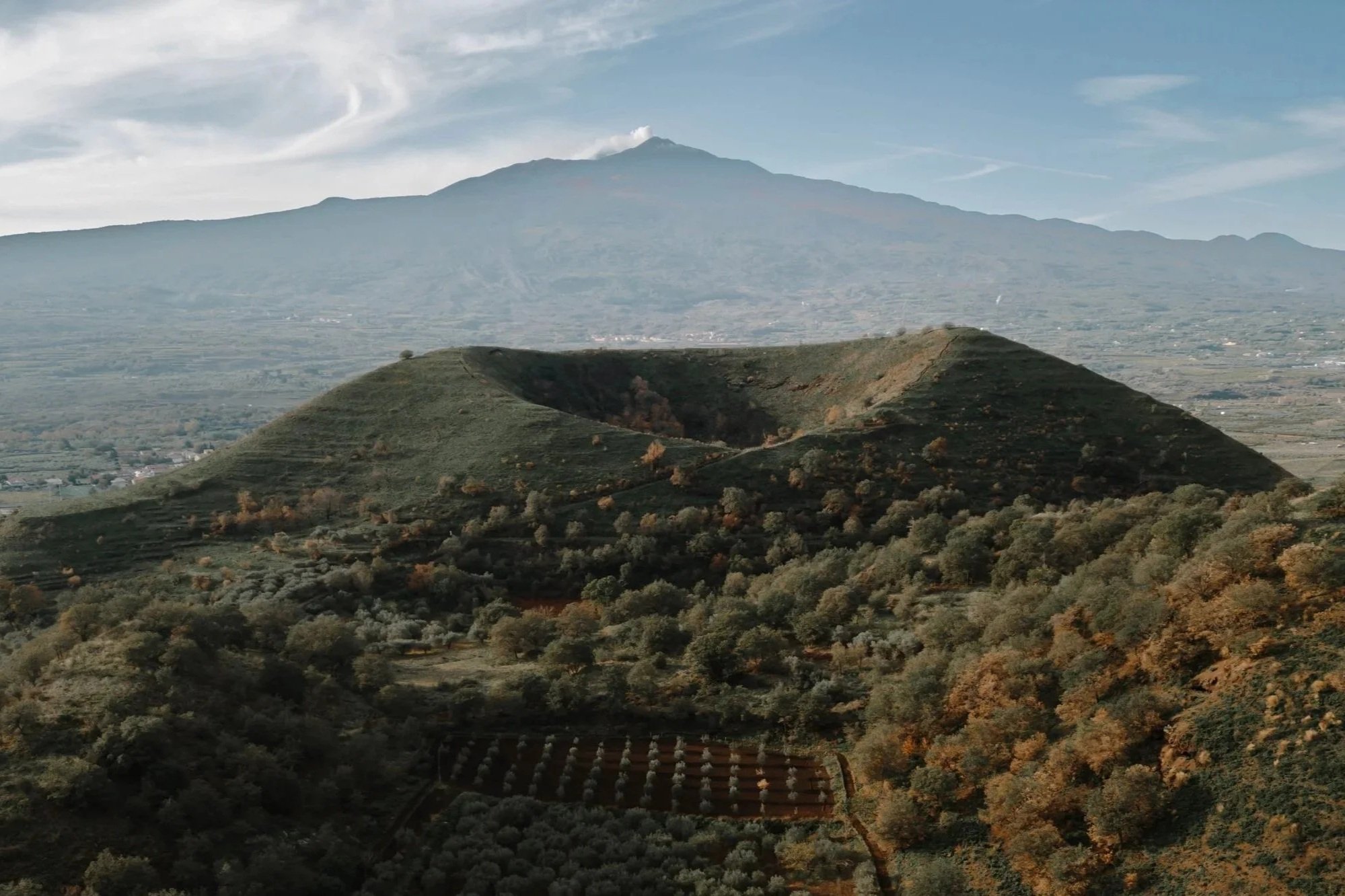
Aetna Estates sits in the outskirts of the Etna DOP region, between Malvagna and Moio Alcantara, in the province of Messina, Sicily.
Our estate’s olive groves occupy a single site clustered around the most distant secondary cone from Etna’s main crater. This is a landscape defined by continuous geological changes over millennia, each with its own character and influence. At 600-700 meters above sea level, the earth here consists of basaltic lava, volcanic ash, lapilli, and pumice, and, with each new eruption, comes a subtle alteration of this composition contributing to the unique mineral complexity of every expression.
Throughout the growing season, a mix of abundant morning sunlight and afternoon shadow results in significant daily temperature shifts, which encourages a slow and balanced development of the fruit, while differences in airflow, drainage, and terrain create distinct microclimates across the estate.
The result is an olive oil not simply shaped by Etna, but one defined by a singular place within it; a specific place whose character could not be reproduced elsewhere, and whose influence is present in every harvest.





The Olives
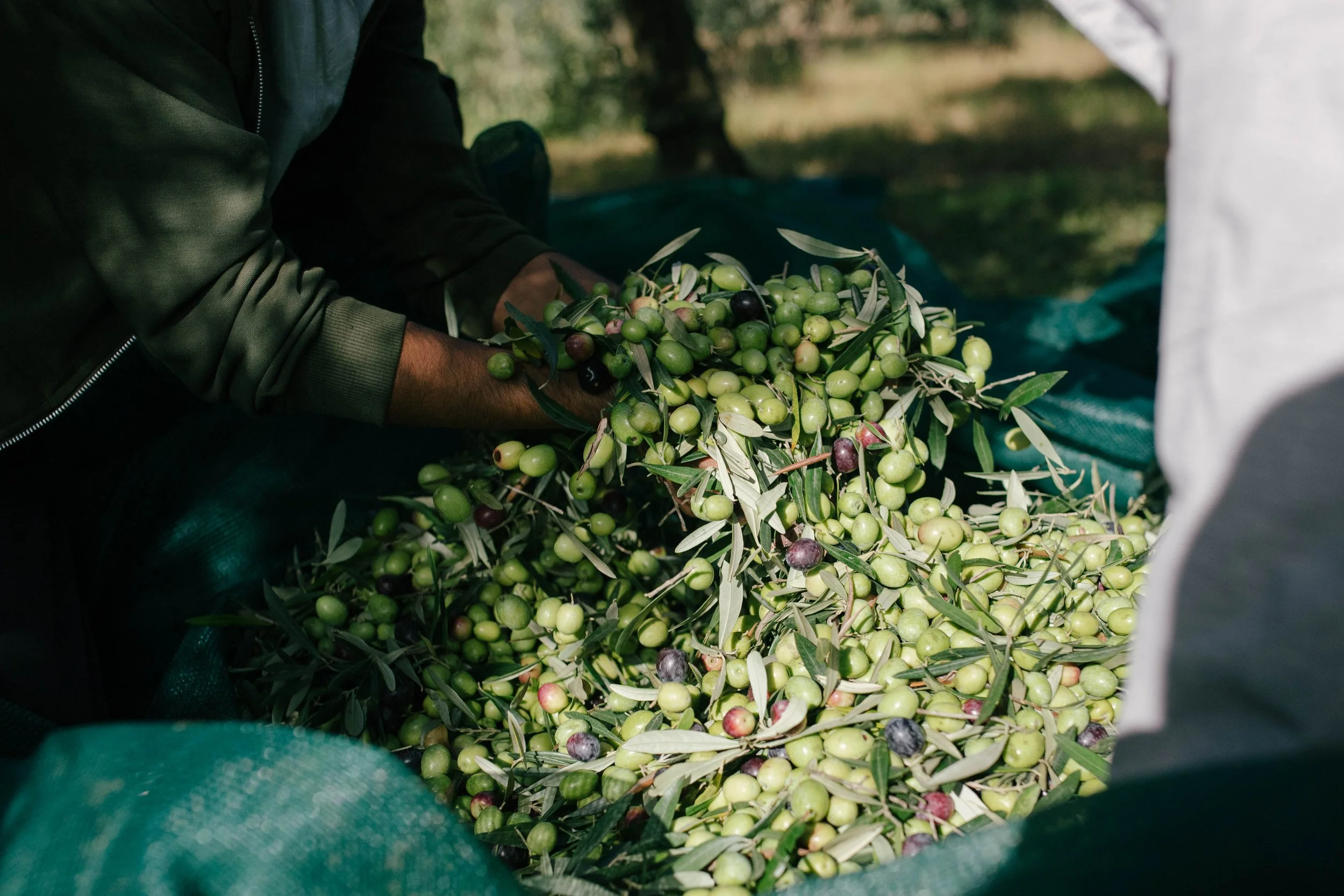
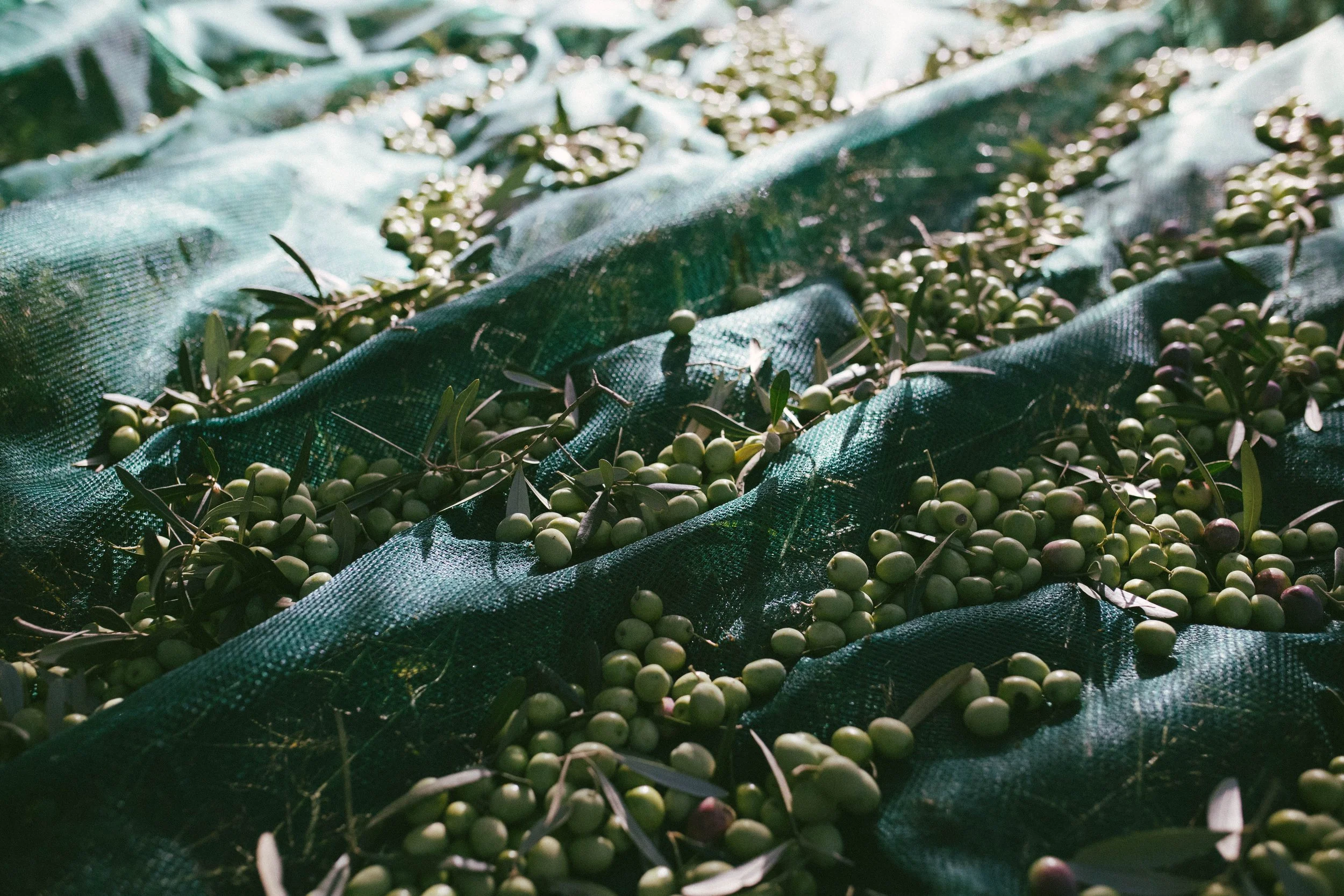
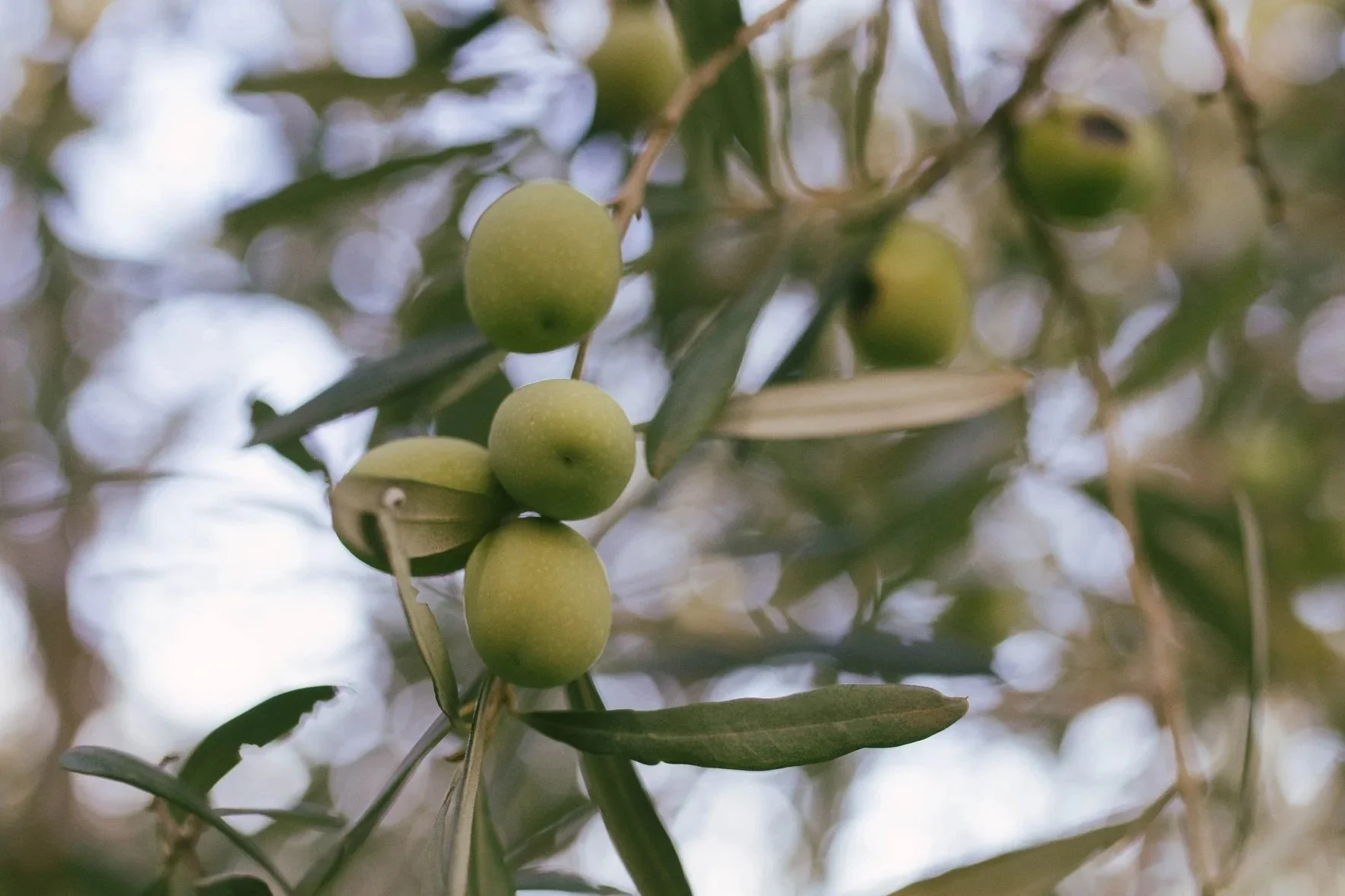
Nocellara Etnea, locally known as ‘Nuciddara’, is an olive variety native to the volcanic terrain of Mount Etna in the provinces of Catania, Messina, and Enna of eastern Sicily. Cultivated and harvested in the region for generations, the olive remains strongly associated with the local culture and volcano from which it takes its name.
Harvested early, the fruits are intense green and yield oil rich in polyphenols. Grassy and peppery when young, it evolves into a mellow herbal profile that pleasantly lingers.
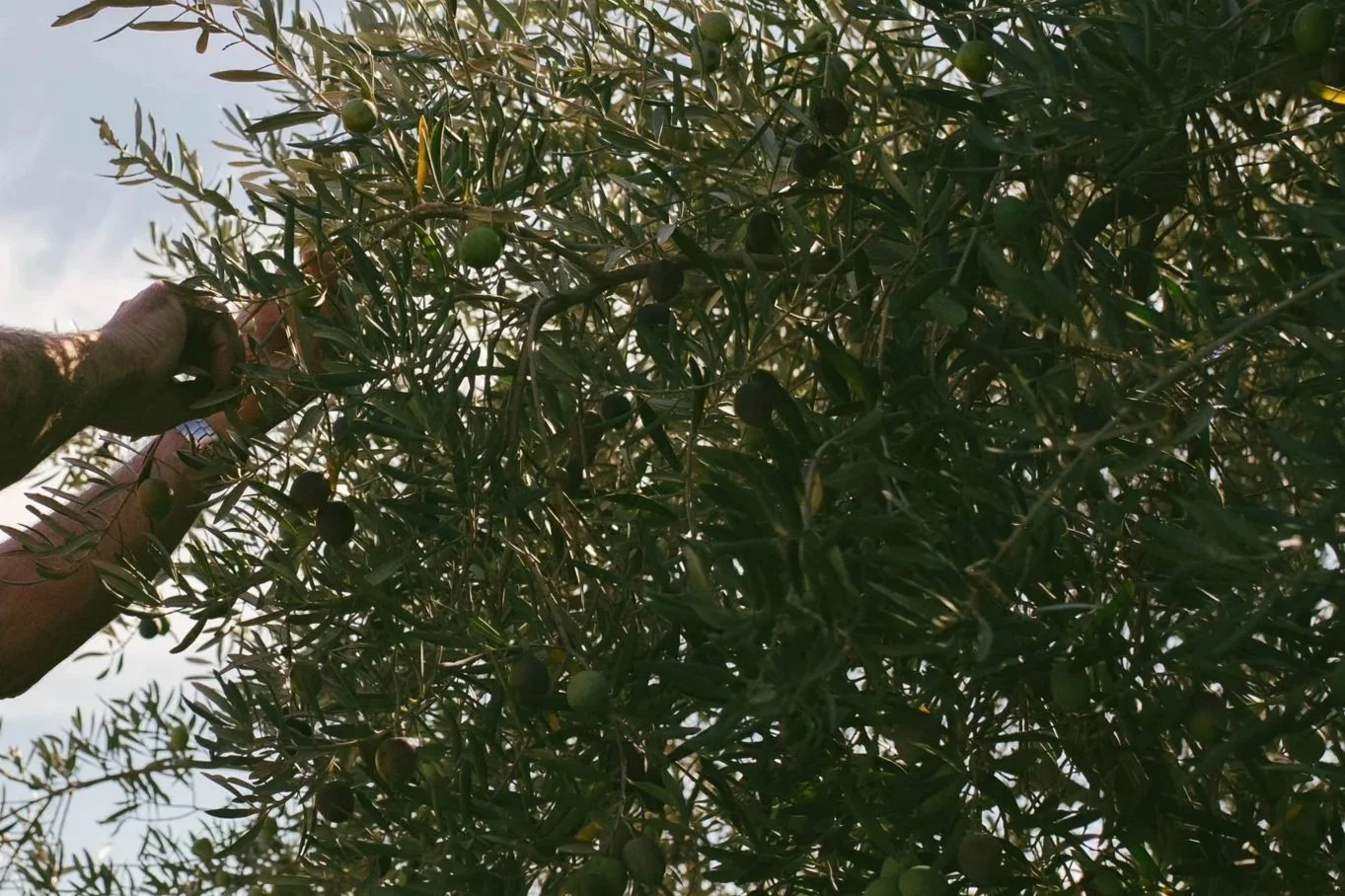
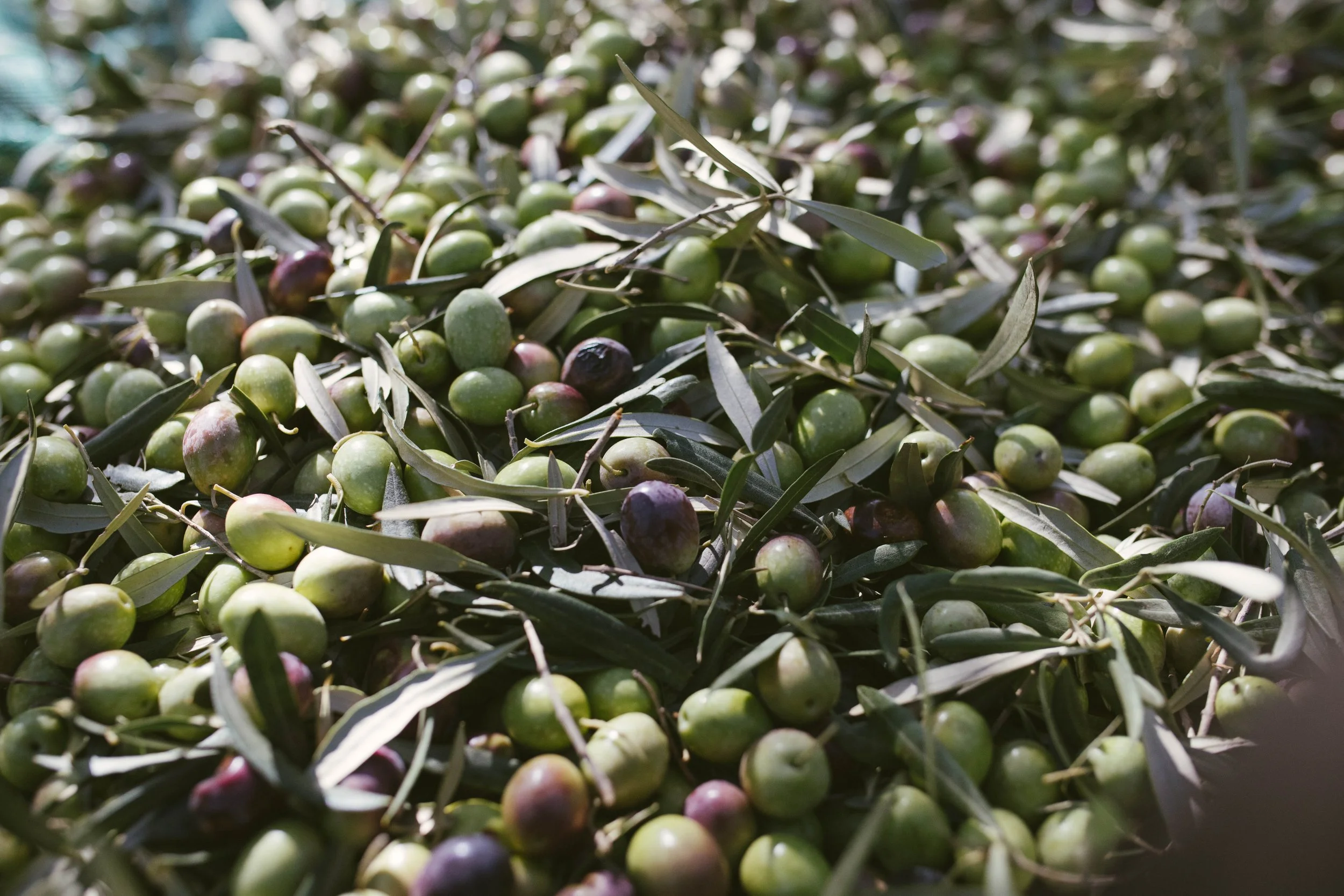
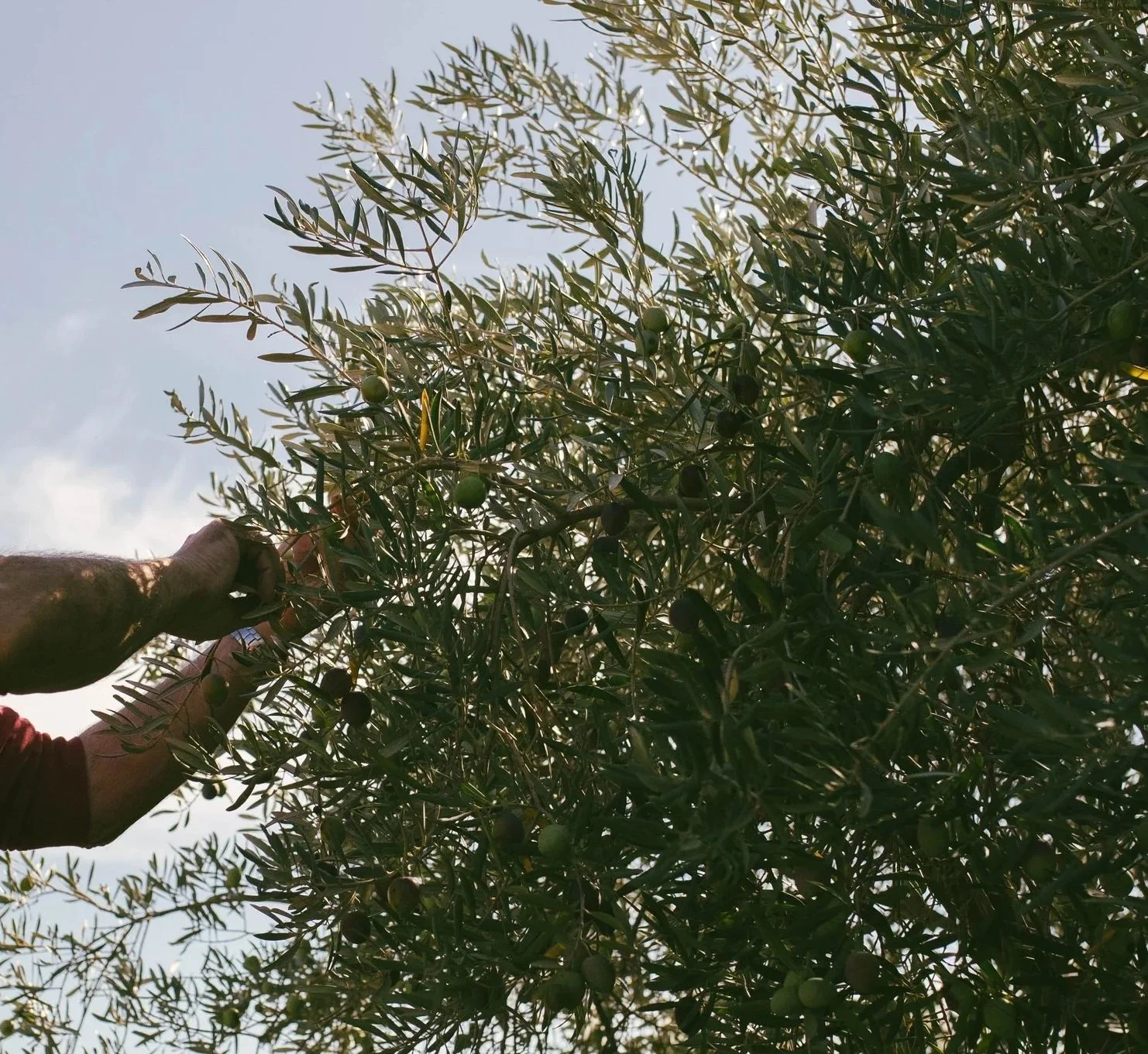
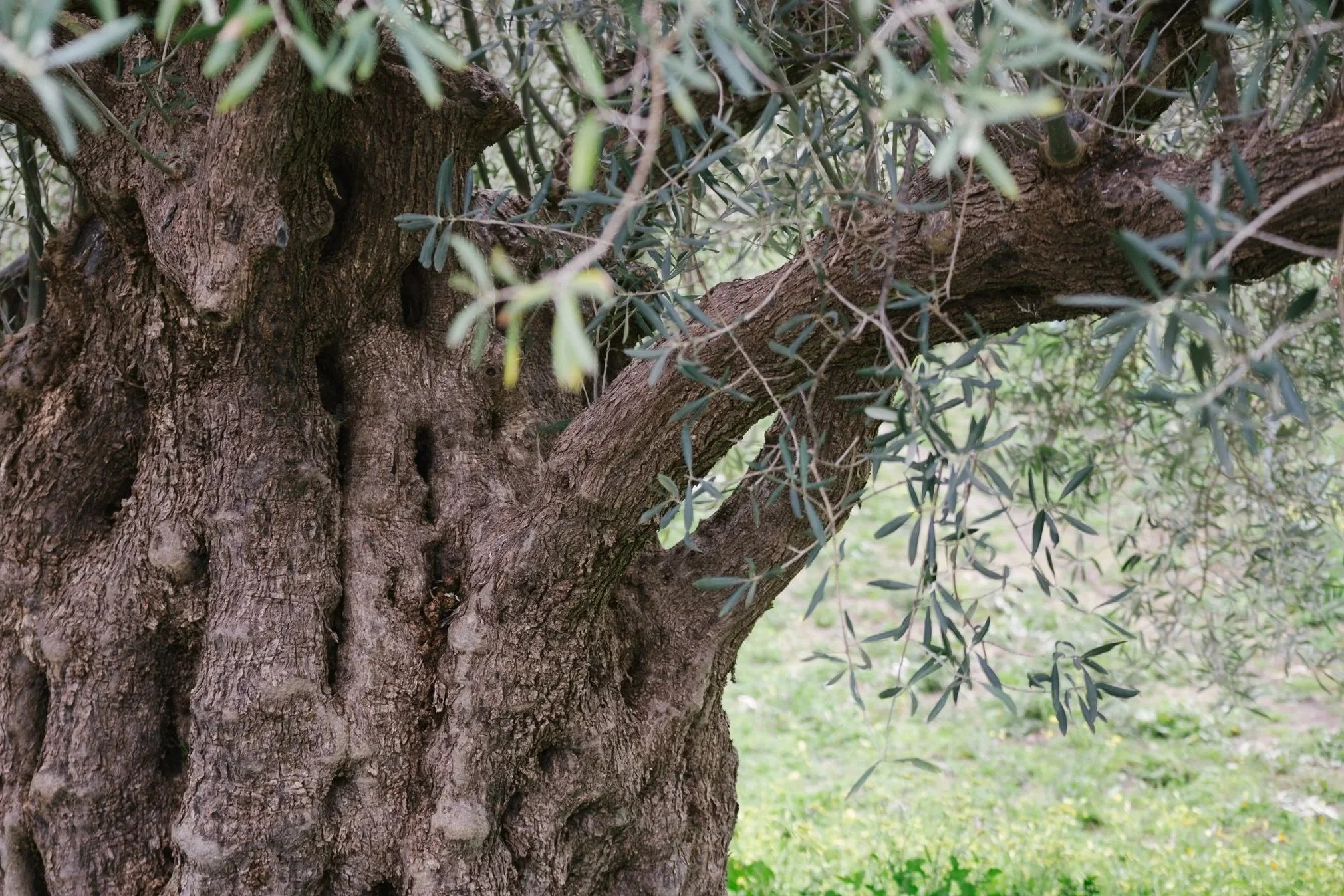
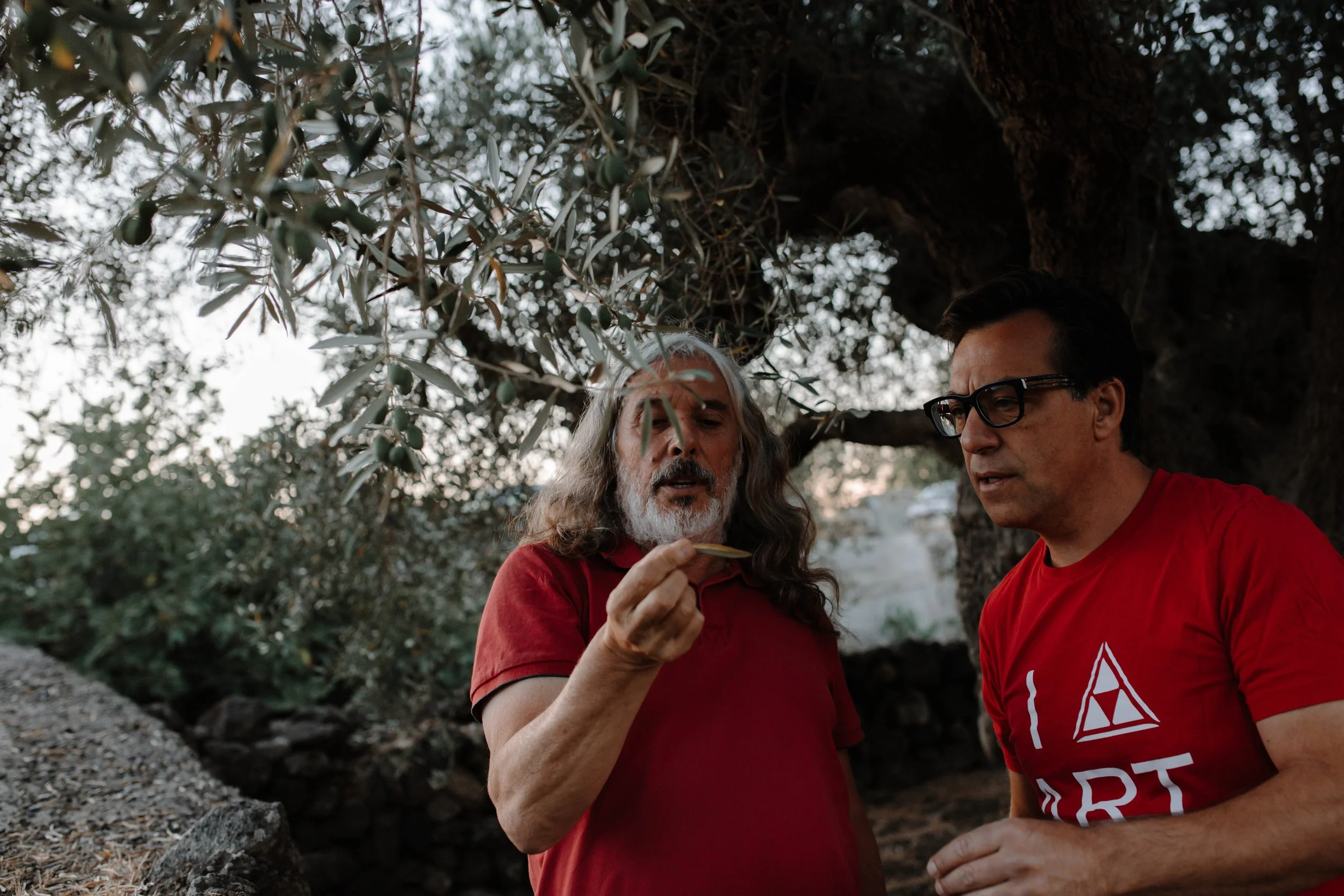
Our estate is home to dozens of olive trees over one hundred years old, and a few of them, considerably older. Symbolic of resilience and tradition, these giants were here in this very place before the boundaries of our estate were drawn. They are witnesses to hundreds of eruptions over centuries that shaped, and reshaped, the hillsides around them and have grown through the specific contours of the land so that their root systems are less a feature of the grove than a part of its very geology.
Time has done more than shape their appearance. These old trees do not produce abundantly, they produce carefully. With small and unpredictable yields, they return in depth what they sacrifice in volume.
The Trees
